

The Screen-Time Struggle and the Power of Active Play
In an increasingly digital world, managing children’s screen time has become one of the most common challenges for modern parents. From tablets and smartphones to televisions and gaming consoles, digital entertainment is readily accessible. While technology certainly has its place in modern education and relaxation, passive screen consumption often displaces essential physical movement, hands-on exploration, and real-world social interaction.
Setting aside dedicated time, such as a weekly Screen-Free Saturday—offers a refreshing reset for the entire household. Unplugging devices creates valuable space for unstructured, physical play, which is critical for healthy child development.
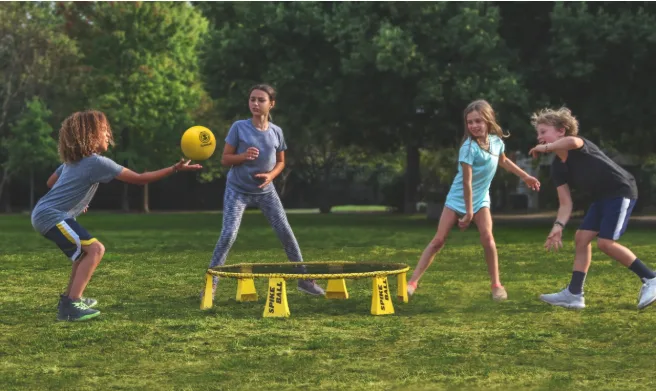
Active play is far more than just a way for kids to burn off extra energy; it is a vital foundation for building self-confidence, emotional resilience, problem-solving abilities, and physical coordination. When children learn to navigate a tricky physical obstacle course, master a new game, or coordinate with siblings during active play, they gain a tangible sense of accomplishment that digital achievements simply cannot match.
Whether you have a spacious backyard or a compact living room, engaging active games can transform any home into an exciting arena for child development and family wellness.
Why Physical Play Builds Genuine Child Confidence
Childhood self-esteem is built through hands-on mastery, bodily awareness, and positive social reinforcement. Engaging in structured and unstructured active play supports a child's development across several key domains:
Motor Skill Mastery: Running, jumping, balancing, and catching improve gross motor skills, spatial awareness, and physical agility, helping children feel capable in their bodies.
Emotional Resilience: Learning to follow rules, navigate small set-backs during a game, and try again after a missed goal teaches emotional regulation and perseverance.
Executive Functioning & Problem-Solving: Active games require kids to think fast, plan strategic moves, adapt to changing scenarios, and manage spatial mechanics.
Social Connection & Communication: Group play fosters empathy, sharing, leadership, and clear verbal communication among peers and family members.
By providing varied movement opportunities both indoors and outdoors, you give your kids the tools they need to step out of their comfort zones and trust their abilities.

Dynamic Outdoor Games to Build Courage and Agility
When the weather permits, stepping outside into fresh air and open space provides the ultimate canvas for energetic, confidence-building play. Outdoor environments encourage children to push their physical limits safely and connect with the natural world.
1. The Nature Scavenger Hunt & Adventure Trail
Turn a standard park visit or backyard afternoon into an engaging outdoor quest. Create a checklist of items for kids to find, such as specific leaf shapes, smooth stones, pinecones, or bird sightings, combined with active challenges like jumping over a log or sprinting to a target tree.
Confidence Benefit: Promotes independent exploration, keen observation, and decision-making skills.
Keyword Connection: Ideal for outdoor family fitness, active learning, and nature-based play.
2. Classic Red Light, Green Light (With Agility Variations)
This timeless classic tests physical control and listening skills. One child or parent acts as the signal, while others sprint forward on "Green Light" and freeze instantly on "Red Light." To elevate the challenge, introduce variations like "Yellow Light" for crawling or "Purple Light" for hopping on one foot.
Confidence Benefit: Enhances body control, impulse management, and rapid focus under pressure.
Keyword Connection: Boosts physical agility, coordination exercises for kids, and group outdoor games.
3. Backyard Obstacle Course Challenge
Using lawn chairs, hula hoops, outdoor cushions, jump ropes, and chalked paths, build a custom agility course. Kids can leap through hoops, balance along a wooden plank, crawl under lawn chairs, and dash to a finish line. Time their runs not to compete against others, but to help them beat their own personal bests.
Confidence Benefit: Focuses on personal growth and goal-setting, proving to kids that practice directly leads to improvement.
Keyword Connection: Great for kids' fitness challenges, backyard active gear, and gross motor skill development.
4. Shadow Tag and Animal Movement Relays
Tag gains a fun twist when players try to step on each other’s shadows instead of physical tagging. Alternatively, set up relay races where children must move across the yard like specific animals—frog hops, bear crawls, crab walks, or cheetah sprints.
Confidence Benefit: Encourages joyful self-expression, releases physical tension, and builds core physical strength.
Keyword Connection: Promotes kids' active wear, outdoor health habits, and energetic family play.
Energetic Indoor Games for Rainy or Small-Space Days
Bad weather or limited outdoor access should never stop the fun. With a few creative adjustments, your living room or hallway can become a safe, active environment for healthy movement.
5. The Living Room "Floor is Lava" Challenge
A universal favorite that never grows old! Scatter couch cushions, stable footstools, yoga mats, and folded blankets across the living room floor. Kids must navigate from one side of the room to the other without touching the rug or floorboards.
Confidence Benefit: Teaches physical balance, spatial awareness, risk assessment, and creative problem-solving.
Keyword Connection: Perfect for rainy day kids' activities, indoor play setups, and active indoor fun.
6. Indoor Balloon Volleyball and Keep-Up
Inflate a few bright balloons and challenge your kids to keep them from touching the floor using their hands, feet, or heads. To turn it into a game, set up a ribbon or string across two chairs to serve as a low net for soft indoor volleyball.
Confidence Benefit: Improves hand-eye coordination, reaction times, and spatial timing without any risk of indoor damage.
Keyword Connection: High intent for safe indoor sports equipment, hand-eye coordination games, and active play for small spaces.
7. Hallway Laser Maze (Painter's Tape Quest)
Crisscross strips of colorful painter’s tape low and high between the walls of a narrow hallway to create a secret-agent "laser" maze. Children must step over, crawl under, and wiggle through the tape pathways without snapping or detaching the tape.
Confidence Benefit: Fosters precision movement, deep concentration, flexibility, and physical persistence.
Keyword Connection: Inspires creative DIY indoor games, indoor agility drills, and screen-free child entertainment.
8. Freeze Dance and Animal Pose Party
Turn up an upbeat music playlist and let the kids dance freely. When the music randomly stops, everyone must freeze instantly in place or drop into a specific pose (e.g., balance on one leg, mimic a statue, or pose like a superhero).
Confidence Benefit: Releases bottled-up energy, builds rhythmic body coordination, and overcomes physical self-consciousness.
Keyword Connection: Enhances kids' physical wellness, indoor cardiovascular movement, and movement games for toddlers and kids.
Mindful and Cooperative Games for Emotional Balance
Active play isn't solely about high-energy sprinting; it also encompasses controlled movement, balance, and cooperative teamwork that help children regulate their nervous systems and build emotional confidence.
9. The Cooperative Blanket Ball Toss
Have two or more children hold the edges of a small blanket or bath towel together. Place a soft foam ball or lightweight stuffed animal in the center and challenge them to launch it into the air and catch it together without letting it fall.
Confidence Benefit: Teaches non-verbal synchronization, joint accomplishment, and cooperative teamwork over individual competition.
Keyword Connection: Excellent for sibling bonding activities, child emotional health, and cooperative play ideas.
10. Slow-Motion Mirroring and Balance Yoga Games
Have children partner up face-to-face. One child performs slow, deliberate physical movements such as stretching toward the sky, holding a tree pose, or slowly lifting an arm while the other acts as their mirror reflection. Switch roles after two minutes.
Confidence Benefit: Develops mindfulness, emotional grounding, physical posture awareness, and empathetic focus.
Keyword Connection: Promotes kids' yoga mats, mindful movement habits, and childhood posture correction.
Essential Gear and Comfort for Active Screen-Free Days
Having the right gear keeps play safe, comfortable, and stress-free for both parents and kids:
Supportive Athletic Footwear: High-traction, flexible sneakers that protect growing feet during jumps, sprints, and outdoor agility games.
Breathable, Stretchy Activewear: Moisture-wicking cotton or flexible performance apparel that allows full freedom of movement.
Hydration Equipment: Durable, leak-proof, BPA-free water bottles to build healthy hydration habits during active play.
Versatile Indoor & Outdoor Accessories: Non-marking painter's tape, soft foam balls, colorful hula hoops, and lightweight yoga mats.
Simple Guidelines for Parents to Host Successful Screen-Free Saturdays
To make your screen-free transition smooth and enjoyable for the entire family, keep these practical parenting guidelines in mind:
Involve Kids in the Planning: Let your children choose two or three games they are most excited to play during the weekend. Ownership breeds enthusiasm.
Focus on Effort, Not Perfection: Praise your child’s persistence, physical effort, and sportsmanship rather than focusing strictly on winning or flawless execution.
Keep Play Flexible: Allow games to evolve naturally. If your kids want to modify the rules or invent their own storyline mid-game, encourage their creative initiative.
Join in the Fun: The fastest way to get children excited about moving away from screens is seeing their parents actively participate, laugh, and play alongside them.